Block paving driveways in Teesside
Block paving is the most popular driveway surface on Teesside, individual concrete or clay blocks laid on a compacted sub-base. It lasts 20–30 years, lifts out individually for repairs, and a permeable version avoids the need for planning permission on front gardens.
What is block paving?
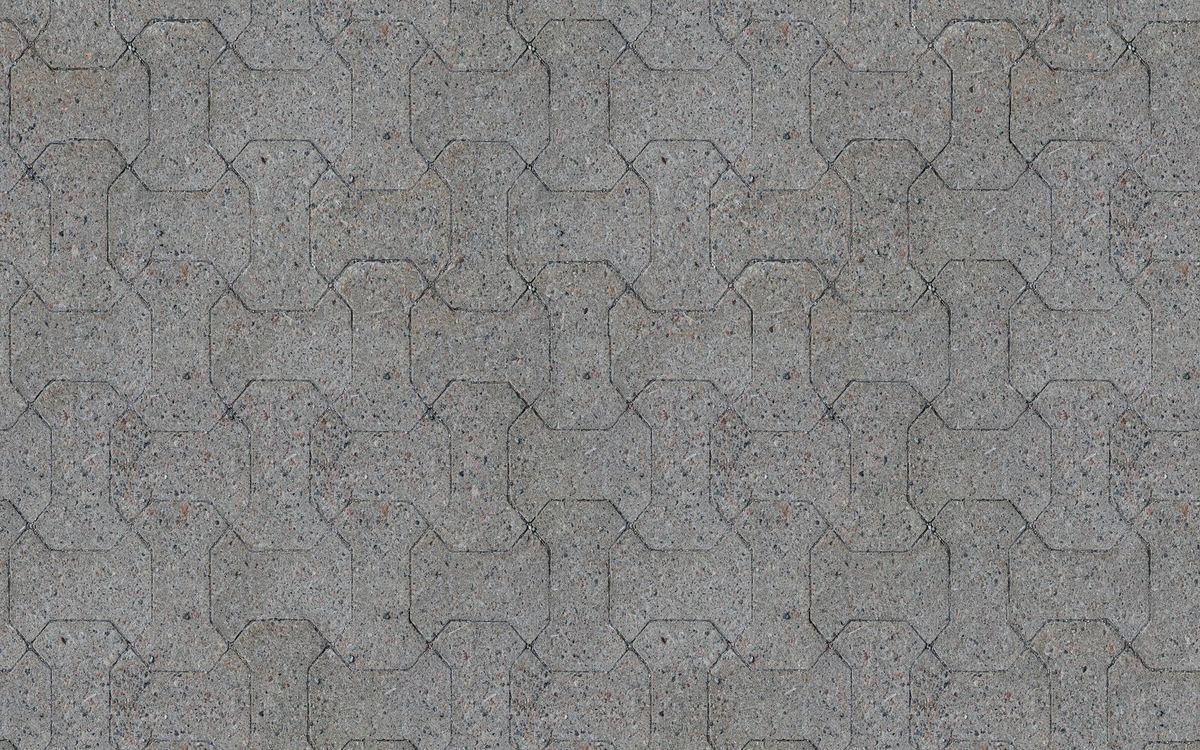
Block paving is a driveway surface made from individual concrete or clay blocks, usually 200×100mm, laid in patterns over a sharp-sand bed on a compacted stone sub-base. Because the blocks are individual units rather than one slab, the surface flexes slightly with ground movement instead of cracking, and any stained or damaged block can be lifted and replaced on its own.
That repairability is a big part of why block paving dominates Teesside's 1930s estates and newer developments alike: if a drain needs lifting or a utility line needs work, the drive goes back down exactly as it was.
How much does block paving cost in Teesside?
Teesside's boulder clay makes the sub-base the place cowboys cut corners: anything less than 150mm of compacted Type 1 on this ground will sink within a few winters. Every quote you receive through us should state excavation depth and sub-base thickness in writing, if it doesn't, ask.
Permeable block paving and the 5m² rule
Standard block paving isn't permeable, so paving more than 5m² of a front garden normally needs planning permission unless rain drains to a lawn or border. Permeable block paving (CBPM) solves this: wider joints filled with graded grit let water drain through to a specially designed sub-base. It costs a little more but removes the planning question entirely, worth it on most Teesside front drives.
Colours, patterns and borders
Charcoal, brindle and buff remain the best sellers across Middlesbrough and Stockton, usually in a 45° or 90° herringbone pattern, herringbone isn't just looks, it interlocks against the braking and turning forces of cars. A contrasting border course (charcoal around brindle is the classic) frames the drive and handles the edge restraint neatly.
How long does block paving last?
Properly installed, 20–30 years. Maintenance is light: an annual sweep and weed check, kiln-dried sand brushed into joints every few years, and optional sealing to hold colour and resist oil stains. The failures you see around Teesside, sunken tracks where the wheels run, edges spreading, are almost always sub-base or edge-restraint failures, not the blocks themselves.
Is block paving right for your home?
It suits almost everything from a Linthorpe semi to a Wynyard new-build, and it's the safest choice where matching the street matters. If you want a smoother, more contemporary finish look at resin bound; if budget leads, look at tarmac or gravel. Unsure? The quote form lets our team advise on your specific drive, free and without obligation.