Tarmac driveways in Teesside
Tarmac is the best-value hard driveway surface, £45–£85/m² installed in Teesside, usually laid in a day or two, lasting 15–25 years. It's ideal for larger drives and shared accesses, and a block-paving edging course lifts the look well beyond the council-estate stereotype.
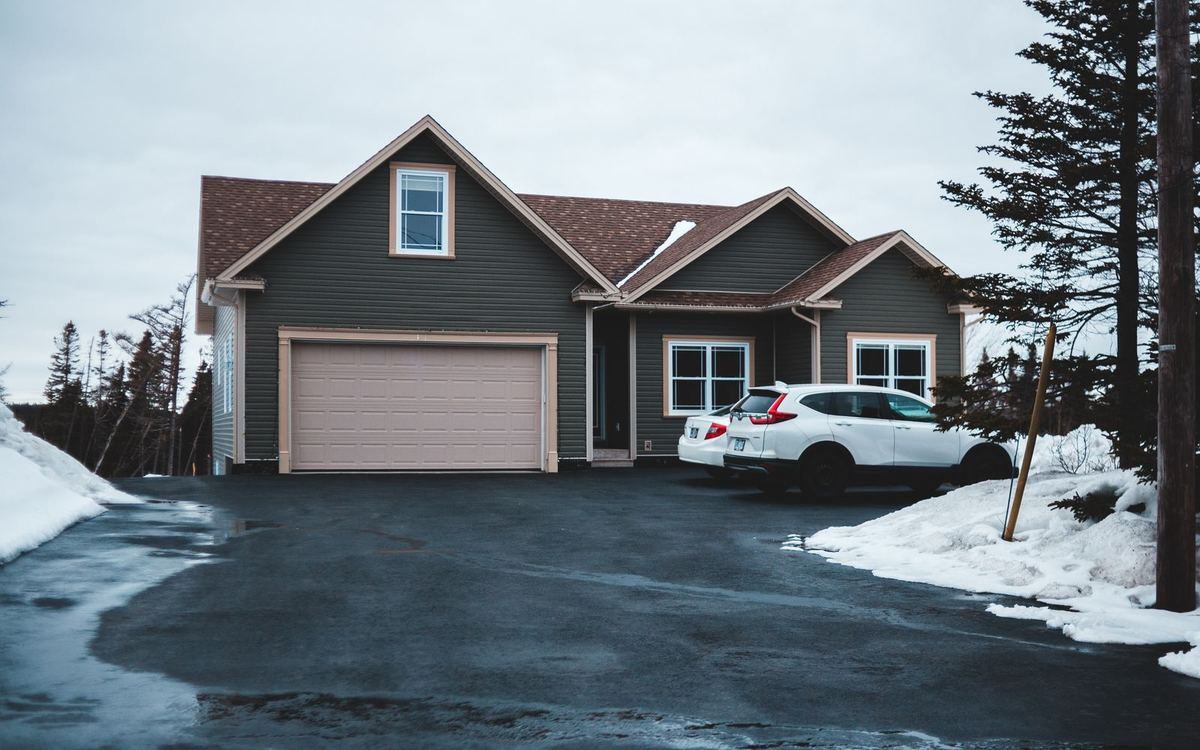
What is a tarmac driveway?
Tarmac (tarmacadam, or asphalt in modern spec) is a mixture of crushed stone and bitumen laid hot and machine-compacted into a smooth, continuous surface. A residential drive gets two courses: a coarse base course for strength and a fine surface course for the finish. It's the same material as the roads outside your house, engineered for exactly the traffic a driveway sees.
How much does tarmac cost in Teesside?
£45–£85/m² supplied and laid, with the price per metre falling as area grows, tarmac's economics shine on bigger drives. A 50m² two-car drive runs £2,200–£4,500; a long Thornaby or rural Yarm drive can come in well under the equivalent in blocks. Add £20–£35 per linear metre if you want a block-paving edging course, which most people do.
Where tarmac makes sense on Teesside
- Larger drives and shared accesses, the per-m² cost advantage compounds with area, and the seamless surface has no joints to maintain over long runs.
- Quick turnarounds, most tarmac drives are excavated, based and surfaced in 2–3 days, and you can park on them within 48 hours.
- Victorian terrace fronts in central Middlesbrough and Stockton, where a small, simply-shaped frontage doesn't justify intricate paving.
- Replacement of existing tarmac, if the base is sound, a resurface is one of the cheapest driveway refreshes going.
Black or red, and the edging trick
Standard black is the default; red tarmac costs a little more and suits brick properties. The single biggest visual upgrade is a block-paving edging course, a charcoal or brindle block border around black tarmac frames the drive, protects the edges (tarmac's weak point), and costs a fraction of full paving. Ask for it in your quote.
Drainage and the planning rule
Tarmac is non-permeable, so paving more than 5m² of a front garden needs either planning permission or drainage to a lawn, border or soakaway. On Teesside's clay, soakaways need to be sized generously, a good contractor will specify linear channel drains to a soakaway where falls don't allow drainage to planting. Permeable alternatives that skip the rule: resin bound or permeable block paving.
Lifespan and care
15–25 years. Keep fuel and oil spills off it (they dissolve bitumen), avoid parking caravans or skipping heavy point loads on it in heatwaves, and treat the edges kindly, most tarmac failures start at an unsupported edge. Resurfacing an old tarmac drive with a fresh surface course is cheap and adds another decade or more.